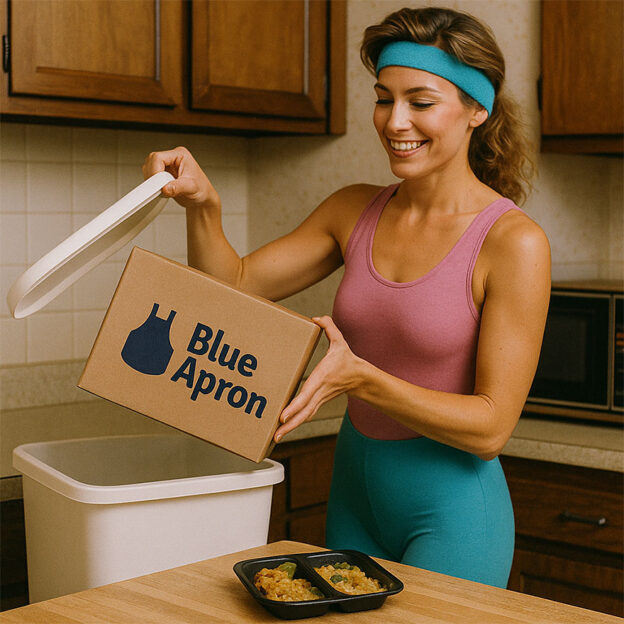
Remember when meal kits were the hottest thing in food? A few years ago, it seemed like everyone had a Blue Apron box on their doorstep. The idea was simple but revolutionary: fresh ingredients, pre-measured, with step-by-step instructions, delivered to your door. You’d throw on an apron, channel your inner Top Chef, and whip up something that felt way fancier than your usual Tuesday night dinner.
For a while, it worked. Really well, actually.
Why Meal Kits Took Off
Meal kits scratched an itch that a lot of people didn’t even know they had. Cooking from scratch? Great. Grocery shopping, planning meals, and figuring out what to do with half a bunch of parsley? Not so great.
Services like Blue Apron, HelloFresh, and Plated (RIP) promised to take the hassle out of home cooking without sacrificing quality. They were marketed as a smarter, fresher alternative to takeout—something that felt wholesome, hands-on, and even kind of fun.
Blue Apron, in particular, became the poster child of the movement. It launched in 2012, hit unicorn status fast, and went public in 2017. For a hot minute, it looked like meal kits were going to disrupt the entire grocery industry.
But as quickly as they rose, they started to fall.
What Went Wrong?
The cracks showed up pretty early. The first issue was the cooking itself. While the kits simplified a lot, they still involved chopping, mixing, sautéing, and cleanup. For a service that was supposed to save time, it often took 30–45 minutes (or longer) to get dinner on the table. And if you weren’t already someone who enjoyed cooking, the novelty wore off fast.
Then there was the packaging. Each kit came with a ridiculous amount of waste: plastic bags, tiny bottles, insulation, ice packs, and boxes galore. Environmentally conscious customers started feeling guilty, especially since many of the materials weren’t easily recyclable.
Cost was another factor. Blue Apron meals typically ran $9–$12 per serving, which put them in an awkward middle ground. More expensive than groceries, not quite as effortless as takeout.
Finally, retention became a nightmare. People tried it, got the discount, made a few meals, and bailed. The churn rate was brutal, and that steady customer drop-off made it hard for these companies to turn a real profit.
Blue Apron’s stock tanked. Plated got bought out by Albertsons and later shut down. HelloFresh has managed to stay afloat, especially overseas, but the golden age of meal kits is long gone.
Enter: Ready-to-Eat Meal Delivery
While meal kits were stumbling, another food trend quietly started gaining steam: fully prepared, ready-to-eat meal delivery. Companies like Factor, Trifecta, Freshly (also now defunct), and Snap Kitchen entered the chat—and they learned a lot from meal kits’ mistakes.
Where meal kits asked you to cook, these services did the cooking for you. You just heat and eat. No chopping, no dishes, no missing ingredients. For busy professionals, parents, or fitness-focused folks, that was pretty sweet!
Factor, for example, built its brand around chef-prepared, dietitian-approved meals that cater to specific lifestyles like keto, calorie smart, protein plus, vegan, etc. They show up fresh (never frozen), usually in recyclable packaging, and most meals are ready in 2 minutes. Add in their enticing promotion for new customers, and that’s a hard pitch to beat.
Why Factor and Friends Are More Popular Now
Convenience Wins: We thought we wanted to cook more, but it turns out, most of us want to think we’re eating well without doing the work. Prepared meals tap into that sweet spot of health, taste, and zero effort.
Clear Nutrition: Factor and similar services clearly label calories, macros, and ingredients. For people watching their diet, that level of transparency (and predictability) is huge.
No Food Waste: Unlike meal kits, where you might not finish a jar of miso paste or use up a sprig of thyme, prepared meals come in just the right portion. No food waste, no guesswork.
Flexible and Subscription-Free Options: Many ready-to-eat services have made it easier to skip weeks, change meals, or even buy à la carte. That flexibility helps them keep customers longer.
Targeted Audiences: Meal delivery companies now focus on specific demographics like gym-goers on high-protein plans, vegans, or people managing diabetes. That focus makes their value more obvious, unlike meal kits, which aimed too broadly.
So, Is It Goodbye Forever to Meal Kits?
Not entirely. There’s still a niche for people who like to cook but don’t want to meal plan. HelloFresh is still kicking, and niche kits (like gourmet or family-friendly options) have their loyal fans.
But the era of meal kits as the “future of food” is probably over.
Meal delivery, on the other hand, is just getting started. Services like Factor are tapping into a new kind of modern eater—one who values health, time, and convenience in equal measure. In a post-pandemic world where people are busier than ever but still want to eat well, that model just makes a lot more sense.
So yeah, pour one out for Blue Apron, but don’t be surprised if the next time you peek into someone’s fridge, you see a neatly stacked row of Factor meals instead.
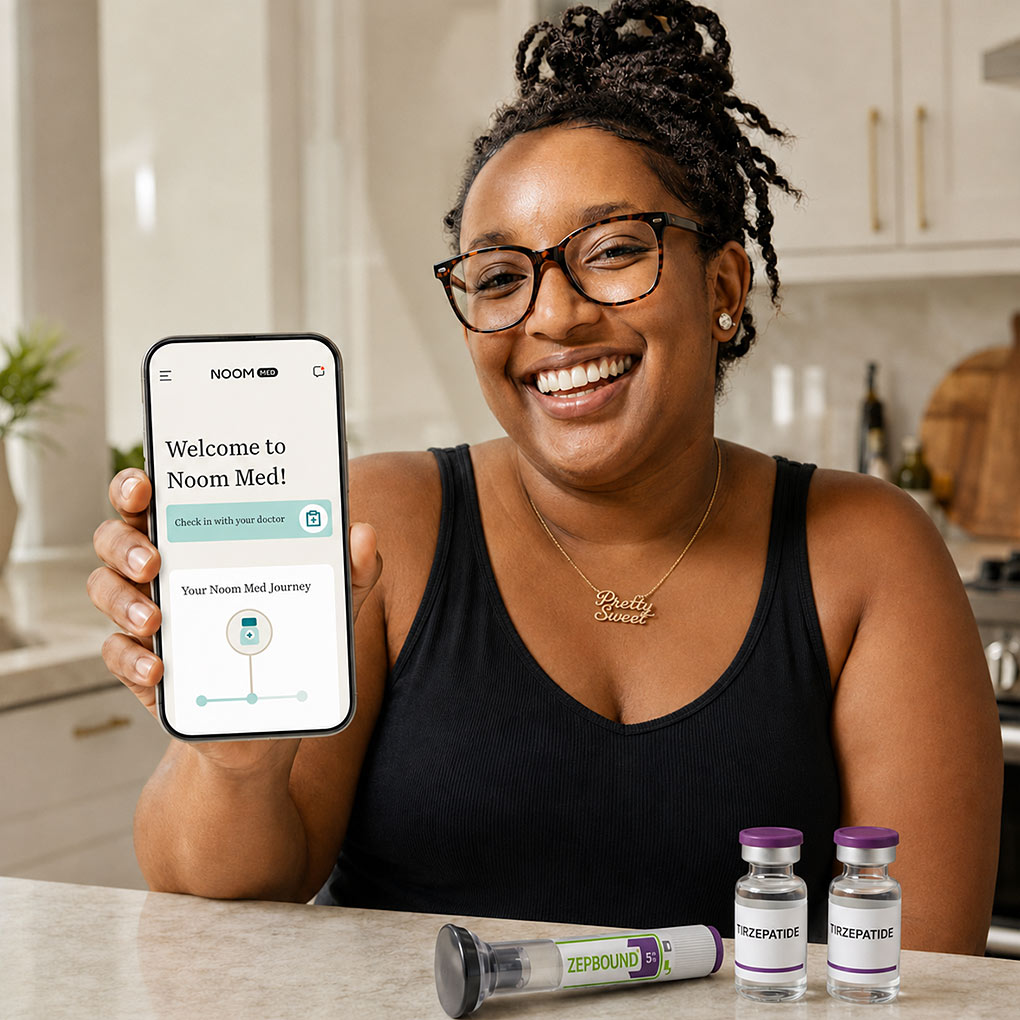
Tirzepatide has quickly become one of the most talked-about medications for weight loss. If you’re interested but don’t know where to begin, Noom Med offers an online path to determine whether GLP-1 medications tirzepatide, or brand-name Zepbound, might be appropriate for you.
So, does Noom prescribe tirzepatide? Yes, Noom Med clinicians may prescribe either compounded tirzepatide or FDA-approved Zepbound when medically appropriate. However, the two options have different costs, dosing approaches, insurance rules, and FDA approval status.
Here’s the best promotion for Noom Med plus how Noom works with tirzepatide and Zepbound, including what you can expect after signing up.
Tirzepatide vs. Zepbound: What’s the Difference?
Tirzepatide is the active ingredient in both Zepbound and Mounjaro. However, the brand names have different FDA-approved uses:
Zepbound is approved for chronic weight management in qualifying adults. It is also approved for moderate-to-severe obstructive sleep apnea in adults with obesity.
Mounjaro is approved to help control blood sugar in adults with type 2 diabetes.
Compounded tirzepatide is a customized medication prepared by a compounding pharmacy. It is not an FDA-approved generic version of Zepbound.
Tirzepatide activates both GIP and GLP-1 receptors, which can decrease appetite and food intake. Zepbound is injected once per week, generally beginning with a low dose that is gradually increased under medical supervision. The FDA approved Zepbound for weight management in 2023.
Does Noom Offer Tirzepatide?
Yes. Noom currently provides two potential ways to access tirzepatide:
You don’t simply select your preferred medication from a menu. After completing Noom’s health assessment, a licensed clinician reviews your medical history, current medications, BMI, and weight-loss goals. The clinician then determines which treatment, if any, is appropriate.
A prescription is not guaranteed, and Zepbound may not necessarily be the medication the clinician recommends.
How Noom’s Tirzepatide Program Works
The Noom GLP-1Rx Plus program combines compounded tirzepatide with Noom’s familiar app-based approach to weight loss.
Here’s what happens after you sign up:
Complete the online assessment. You’ll answer questions about your weight, health history, medications, goals, and previous weight-loss attempts.
Receive a clinical evaluation. A licensed clinician determines whether you qualify and recommends an appropriate treatment plan.
Begin at a personalized dose. If prescribed, Noom uses a gradual dosing approach based on your response and any side effects.
Receive the medication. Compounded tirzepatide is shipped to eligible members rather than picked up as Zepbound at a retail pharmacy.
Use Noom’s support tools. Membership includes lessons, food and weight tracking, coaching, clinical support, and help building sustainable habits.
Check in and request refills. Your care team monitors your progress and may adjust treatment when clinically appropriate.
Noom calls this a “microdose” program because it may use lower or more gradually adjusted doses than a conventional full-dose plan. Microdosing is not a separate FDA-approved treatment protocol, and a lower dose does not automatically mean no side effects.
Interested in Noom Med? You can try it free for 7 days if you qualify. Find out with a quick assesment at noom.com
Does Noom Prescribe Zepbound?
Yes, a Noom Med clinician may prescribe brand-name Zepbound if you qualify. (check at noom.com) Noom can also help coordinate insurance coverage, prior authorization, and pharmacy fulfillment.
Zepbound itself is not included in the basic Noom Med membership price. You pay Noom for the clinical care and behavioral program, then pay the pharmacy or LillyDirect for the medication.
Noom may be a convenient option if you want Zepbound plus ongoing nutrition and behavioral support—not merely a prescription.
Noom Tirzepatide and Zepbound Cost
Noom’s advertised prices can change, but as of monthname, its main tirzepatide options are:
1. Compounded tirzepatide
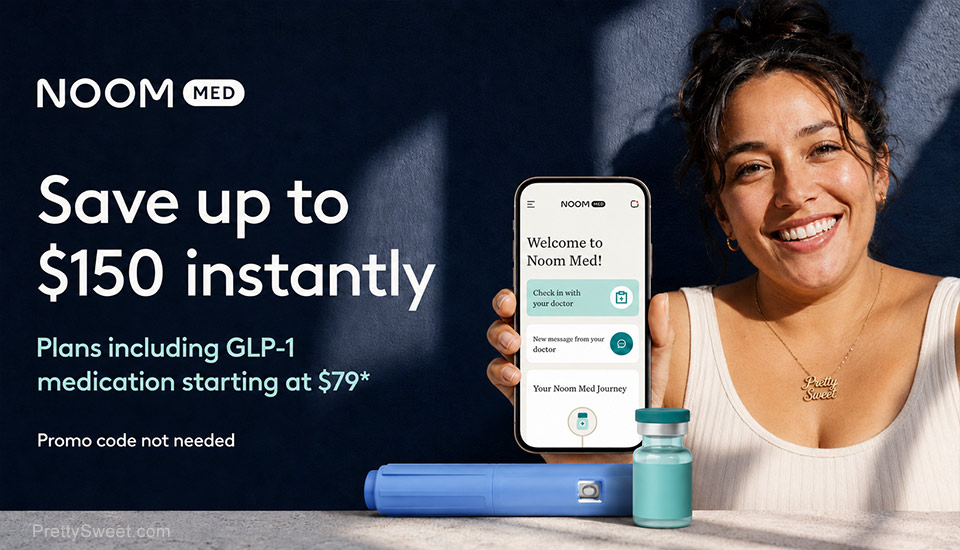
The Noom GLP-1Rx Plus program starts at $79 for the introductory period, including the first four weeks of medication. It then costs $597 every 12 weeks, equivalent to $199 per month, plus applicable tax.
Noom’s branded-medication plan currently costs $39 to start, followed by $129 per month when billed quarterly. Zepbound is an additional expense.
Your Noom Zepbound cost will therefore depend largely on insurance. Some plans cover it with prior authorization, while others exclude medications prescribed specifically for weight loss.
For people paying cash, Lilly currently advertises certain Zepbound formats starting at $299 per month for the 2.5 mg starting dose. Prices differ by dose, delivery device, eligibility, and participation in Lilly’s savings programs. Check Lilly’s current Zepbound savings options.
Who Is Eligible for Noom Tirzepatide?
Noom says you may qualify for its GLP-1Rx Plus program with a BMI of 25 or higher, although final eligibility depends on a clinician’s evaluation.
FDA-approved Zepbound generally has stricter labeled weight-management criteria:
A BMI of 30 or higher; or
A BMI of 27 or higher with at least one weight-related medical condition, such as high blood pressure, high cholesterol, or type 2 diabetes.
Your clinician will also review contraindications and other safety considerations. Zepbound should not be used with another tirzepatide-containing medication or a GLP-1 receptor agonist. It carries a boxed warning concerning thyroid C-cell tumors and is contraindicated in people with a personal or family history of medullary thyroid carcinoma or MEN 2.
Common side effects can include nausea, diarrhea, constipation, vomiting, abdominal discomfort, and indigestion. This is not a complete list, so discuss your health history and potential risks with your clinician.
Do you qualify? Check to see if you are eligible for Noom Med with Zepbound here at noom.com
Does Insurance Cover Noom Tirzepatide or Zepbound?
You do not need insurance to join Noom’s compounded tirzepatide program because the medication is included in the membership price.
Brand-name Zepbound is different. Coverage depends on your specific prescription plan, employer benefits, diagnosis, and prior-authorization requirements. Even if your health insurer covers other prescriptions, it may exclude weight-loss medication.
Noom can help with the insurance process, but it cannot guarantee approval. Before enrolling specifically for Zepbound, it’s worth checking your plan’s formulary and asking whether prior authorization or step therapy is required.
What About Noom and Mounjaro?
Noom Med clinicians may prescribe different medications based on a member’s medical needs, but Mounjaro is FDA-approved for adults with type 2 diabetes, not specifically for weight loss.
Although Mounjaro and Zepbound contain the same active ingredient, the prescriptions and insurance criteria are not interchangeable. Someone seeking tirzepatide specifically for weight management will generally be evaluated for Zepbound or another appropriate weight-loss treatment.
Is Noom Med Worth Considering for Tirzepatide?
Noom Med may be worth considering if you want an online clinical evaluation, medication access, and continued help changing the habits around your eating, not just a prescription.
The compounded tirzepatide plan offers more predictable pricing and doesn’t require insurance. The Zepbound route gives you access to an FDA-approved brand-name medication, but the final cost can be considerably higher if insurance doesn’t cover it.
Just read Noom tirzepatide reviews with the right expectations: results, side effects, eligibility, and medication costs vary substantially from one person to another. No program can promise that tirzepatide will be prescribed or that insurance will approve Zepbound.
For qualified patients, however, Noom Med offers a relatively simple place to compare both paths and learn which one makes the most sense.
Noom Tirzepatide and Zepbound FAQs
Does Noom prescribe tirzepatide?
Yes. A Noom-affiliated clinician may prescribe compounded tirzepatide through the GLP-1Rx Plus program when medically appropriate. Medication is included in that program’s price.
Does Noom offer Zepbound?
Yes. Noom Med provides access to clinicians who may prescribe brand-name Zepbound to eligible patients. The cost of Zepbound is separate from the Noom Med membership fee.
How much does Noom tirzepatide cost?
Noom’s compounded tirzepatide program starts at $79 and then costs $597 every 12 weeks, or $199 per month, plus tax. Pricing and eligibility can change.
How much does Noom Zepbound cost?
Noom’s branded-medication program starts at $39 and then costs $129 per month when billed quarterly. Zepbound is purchased separately, with the price depending on insurance, dose, pharmacy, and savings eligibility.
Is Noom tirzepatide the same as Zepbound?
Both contain tirzepatide, but they are not the same product. Zepbound is an FDA-approved medication made by Eli Lilly, while Noom’s lower-cost program uses compounded tirzepatide, which is not FDA-approved.
Does Noom offer microdose tirzepatide?
Yes. Noom’s GLP-1Rx Plus program provides a personalized, lower-dose compounded tirzepatide plan for eligible members. A licensed clinician determines the dosing schedule.
If you aren’t loving Noom with tirzepatide, maybe consider WeightWatchers Med+ plan? We post their specials here.
Have you tried Noom Med with tirzepatide? Let us know in the comments below, and thanks for stopping by WonkyPie.com!
Before signing up for Weight Watchers, there’s one place you might want to look that has nothing to do with promo codes: your health insurance card.
Some health insurance plans offer discounts, reimbursements or even fully subsidized access to WeightWatchers. Others include broader wellness benefits that can potentially help pay for a weight-loss program like WW or Noom. And, just to make things sufficiently confusing, two people with insurance from the same company could have completely different benefits.
That’s because WeightWatchers discounts are often negotiated at the employer or individual health-plan level, rather than being a universal benefit offered to every customer of an insurance company.
So, yes, it is definitely worth checking. Just don’t assume the words “insurance discount” automatically mean you’re getting the lowest WeightWatchers price.
10 Months: 60% Off
1. Core plan only $10 per month! Shortest commitment for...Show More
1. Core plan only $10 per month! Shortest commitment for the amazing $10 rate! If you want a shorter commitment it will cost more per month. Click to apply coupon and view details of this offer at WeightWatchers.com: Show Less
Sometimes. Some health insurance plans cover, subsidize or reimburse the cost of a WeightWatchers membership, but coverage depends on your individual plan.
In fact, WeightWatchers has an online eligibility tool specifically designed to let you check whether your employer, health plan or organization offers WeightWatchers as a benefit. If it does, WW directs you to the appropriate enrollment page.
The benefit can take several forms.
Your plan might offer WeightWatchers at a reduced monthly price, reimburse you after you pay for your membership, give you wellness dollars that can be used toward weight management, or under some employer-sponsored plans cover the membership completely.
There is also another possibility worth checking: FSA or HSA reimbursement.
FSA or HSA Reimbursement for WeightWatchers?
Flexible spending accounts and health savings accounts are a great way to save money on wellness expenses. WeightWatchers says eligible members may be able to receive reimbursement for up to 100% of qualifying WeightWatchers expenses using available FSA or HSA funds, subject to the rules of their individual account. WeightWatchers currently requires you to pay first and then submit for reimbursement rather than paying directly with an FSA/HSA card.
Here’s what we found for several of the largest health insurers.
Aetna Weight Watchers Discount
Aetna members should check their plan’s health and wellness discounts before joining WeightWatchers on their own.
Aetna says eligible members can receive discounts on services including health coaching, fitness and nutrition-related products and services. These discounts are generally accessed by logging into the Aetna member website.
Some specific Aetna plans also offer fitness or wellness reimbursement programs, although eligibility and eligible expenses vary considerably from one plan to another.
I could not verify a current nationwide WeightWatchers discount automatically available to all Aetna members, so don’t assume your Aetna card guarantees one. Instead, log into your Aetna member account and look under Wellness, Discounts, Rewards or Fitness, or call the member-services number on your insurance card and specifically ask:
“Does my plan offer a discount or reimbursement for WeightWatchers or commercial weight-management programs?”
That wording can be better than simply asking whether WeightWatchers is “covered,” as the answer might not be a simple “yes” or “no.”
Anthem Weight Watchers Discount
Anthem currently advertises member wellness discounts that can include weight-loss programs, along with discounts for gym memberships, fitness devices and other health services.
However, the exact offers available depend on your Anthem plan and location.
If you’re insured through Anthem, sign into your member account and look for Wellness Programs and Discounts or your plan’s member discount section. Anthem also directs members of some plans to its SpecialOffers program for additional discounts.
Don’t be surprised if WeightWatchers is available with one Anthem employer plan but not another. These benefits can be negotiated by the employer, which is why your coworker may have a great WW deal while your neighbor also carrying an Anthem card doesn’t.
Cigna Weight Watchers Discount
Cigna has a wellness discount program called Healthy Rewards, which offers eligible members savings on various health and wellness products and services.
Cigna says Healthy Rewards can include discounts related to fitness, healthy eating, personal care and other wellness services, without requiring claims or referrals for the discount program itself.
The important caveat is that I could not verify a universal current WeightWatchers-specific discount offered to every Cigna member.
That means your best strategy is to log into your Cigna account and check Healthy Rewards for the weight-management programs currently available to your particular plan. You can also call the member-services number on your card and ask whether WeightWatchers membership qualifies for any wellness benefit, employer subsidy or reimbursement.
Offers can change, so your member portal is more reliable than an old list of Cigna discounts found somewhere online.
United Healthcare Weight Watchers Discount
UnitedHealthcare is particularly interesting because there are UnitedHealthcare plans that provide access to WeightWatchers.
WeightWatchers currently maintains a UnitedHealthcare-specific eligibility page stating that, based on your UnitedHealthcare insurance coverage, you may be eligible to sign up for WeightWatchers.
The word may is important.
UnitedHealthcare offers a huge variety of employer, individual, Medicare and Medicaid plans, so this isn’t a blanket free-WW benefit for everyone.
For example, certain UnitedHealthcare Community Plans have offered WeightWatchers benefits or vouchers to qualifying members.
UnitedHealthcare also operates its own weight-management program, Real Appeal, which is available to eligible members at no additional cost as part of certain health benefits.
So UHC members should compare all three possibilities: a discounted WeightWatchers membership, a fully or partially covered employer benefit, and any no-cost weight-management program already included with the health plan.
Blue Cross Blue Shield Weight Watchers Discount
This is the insurance company where the answer “it depends” really earns its paycheck.
Blue Cross Blue Shield isn’t one single nationwide health plan. It is a system of independent Blue Cross and Blue Shield companies, and benefits can vary significantly between them.
Some Blue plans have offered very generous weight-loss reimbursements.
For example, Blue Cross Blue Shield of Massachusetts currently says eligible members can receive up to $300 in fitness and weight-loss reimbursements, and specifically identifies online weight-loss programs such as WW as potentially eligible.
Many BCBS members can also access Blue365, a free member discount program offering deals on fitness, nutrition and other wellness products and services. However, Blue365 itself warns that availability varies among participating Blue companies and that its discounts are separate from your actual health insurance benefits.
So don’t search simply for “BCBS Weight Watchers discount.” Search for your specific Blue Cross Blue Shield company and plan, or sign into your member account and search for “WeightWatchers,”“WW,” “weight loss reimbursement” and “wellness benefits.” You could uncover a significantly better benefit!
Medical Mutual Weight Watchers Discount
Medical Mutual has one of the clearest WeightWatchers benefits we found.
Medical Mutual currently states that eligible members and covered dependents age 18 and older can receive almost 50% off a WeightWatchers membership through certain plans.
Its Medicare Supplement program similarly advertises savings of up to 50% off standard WeightWatchers membership rates for eligible members.
Medical Mutual has also operated specific employer programs with additional WeightWatchers benefits and reimbursement arrangements, so your exact savings can still depend on which Medical Mutual plan you have.
If you’re a Medical Mutual member, this is definitely a benefit worth checking before paying WeightWatchers directly. Log into My Health Plan and search the Healthy Living or wellness-benefits area for the current enrollment instructions and discounted rates.
Is Your Healthcare Discount Best?
10 Months: 60% Off
1. Core plan only $10 per month! Shortest commitment for...Show More
1. Core plan only $10 per month! Shortest commitment for the amazing $10 rate! If you want a shorter commitment it will cost more per month. Click to apply coupon and view details of this offer at WeightWatchers.com: Show Less
Here’s the important and surprising part about searching for a Weight Watchers insurance discount:
Your insurance discount isn’t necessarily the best WeightWatchers discount.
WeightWatchers regularly runs public promotions for new and returning members. At the time we checked, for example, WeightWatchers was advertising a $10 per-month offer for 10 months with a qualifying membership commitment.
That could conceivably beat an insurance offer advertising something impressive-sounding like “40% off” or “50% off standard rates.”
The math matters more than the percentage. For example, if your health plan gives you WeightWatchers completely free, congratulations, you can stop comparison shopping.
But if insurance simply gives you a reduced monthly membership rate, take 30 seconds and compare it with the current WeightWatchers public promotion before enrolling.
Also compare the commitment period, enrollment fee, included plan and what happens after the promotional period ends. A $10 monthly promotional membership with a commitment could be cheaper overall than a supposedly exclusive healthcare discount, while an insurer reimbursement could make the healthcare option dramatically cheaper.
In other words, don’t choose the health insurance discount for Weight Watchers simply because the word “discount” is attached to it!
How to Find Your Weight Watchers Insurance Discount
The easiest place to begin is WeightWatchers’ own employer and health-plan eligibility checker. WW specifically allows you to search to see whether your employer, health plan or organization provides WeightWatchers as part of your benefits.
Then sign into your insurance company’s member portal and search for terms including WeightWatchers, WW, weight management, weight-loss reimbursement, wellness discounts and healthy rewards.
If nothing appears, call the member-services number on the back of your insurance card. Remember that you’re not necessarily looking for traditional medical “coverage.” Ask about discounts, wellness reimbursements, employer-sponsored WeightWatchers benefits and health incentives too.
Finally, compare whatever you find against WeightWatchers’ current public promotions.
A few minutes of detective work could turn up a deeply discounted membership, or even one your health plan has been willing to pay for all along.
Weight Watchers Insurance FAQs
Does insurance cover Weight Watchers?
Some health insurance plans offer WeightWatchers discounts, reimbursements or free memberships. Coverage depends on your insurer, employer and specific health plan. Also, the featured WW offer might save even more.
Does Blue Cross Blue Shield cover Weight Watchers?
Some Blue Cross Blue Shield plans offer WeightWatchers discounts or weight-loss reimbursements. Benefits vary by your local BCBS company and individual plan.
Does UnitedHealthcare cover Weight Watchers?
Some United Healthcare members may qualify for discounted or covered WeightWatchers memberships. Eligibility depends on your specific UHC plan or employer benefits.
Does Aetna offer a Weight Watchers discount?
Some Aetna plans may include wellness discounts or reimbursements that can help with weight-management programs. Check your Aetna member benefits for current eligibility.
Does Humana offer a Weight Watchers discount?
Some Humana plans may include wellness benefits, fitness discounts or weight-management programs, but a WeightWatchers discount is not guaranteed for every member. source
Does Kaiser Permanente offer a Weight Watchers discount?
Yes, some Kaiser Permanente plans (like PEBB or OEBB) offer free or discounted WeightWatchers memberships, but availability varies by employer, region, and specific plan.
Can I get Weight Watchers cheaper through insurance?
Possibly, but compare your insurance benefit with current WeightWatchers promotions first. A public WW offer can sometimes be cheaper than an insurer’s discounted rate.
Do you get a discount on WeightWatchers through your health insurance company? Let us know with a comment below.
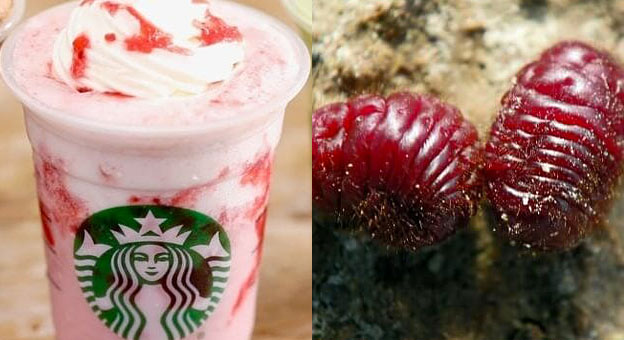
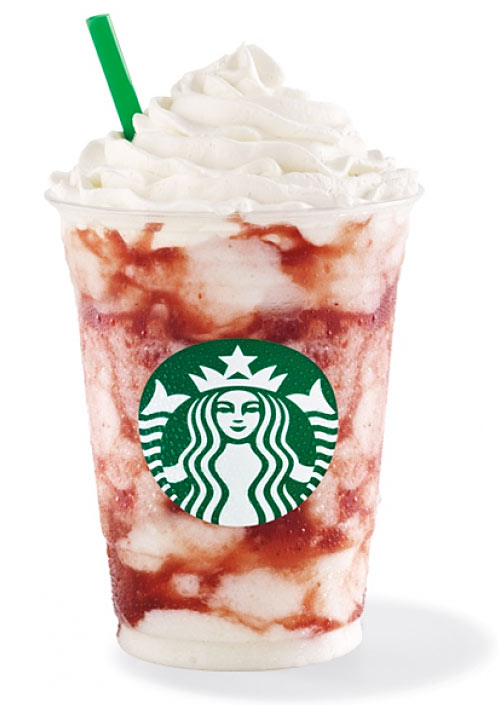
Remember when we were happy to report that Starbucks had unveiled a new vegan-friendly However-You-Want-It Frappuccino? Well, we are very, very unhappy to now report that the Strawberries & Crème Frappuccino, as well as the Strawberry Smoothies(both made with soy milk), are NOT vegan.
A barista for the Seattle-based coffee company wrote to us:
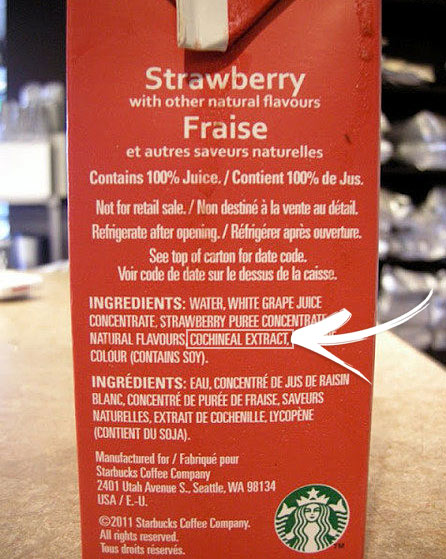
Hi! I’m a vegan who currently works as a barista at a Starbucks in the midwest, and I wanted to let you guys know that the Strawberries and Cream Frappucinos and Strawberry Smoothies at Starbucks are NOT vegan. The strawberry sauce we use contains “cochineal extract“. My guess would be that the recipe changed about three or four weeks ago, when our strawberry sauce got new packaging. I was hoping you guys could help get the word out there so that no veg*ns end up drinking this formerly vegan frappucino by mistake! Thanks. 🙂
Wondering why cochineal in your coffee might bug you? Cochineal extract is a red dye made out of dried female cochineal insects. And to put things in perspective, according to PETA it may take as many as 70,000 female cochineals to produce 1 pound of the red dye.
Photo Credit: Vahe Martirosyan
Tip: Cochineal extract can also be listed as an ingredient on products (like cosmetics) as “CI 75470”, “natural red 4”, “crimson lake”, or “carmine.
So vegans, beware. It just goes to show, even if we get the thumbs up on supposed vegan products, it’s always good to double-check packaging, if possible. You never know when something new will be slipped in.
What a shame.
We do have an email out to Starbucks for a comment on this issue but have yet to hear back.
Update 3/16/12: We received word from Starbucks. According to a Starbucks spokesperson:
At Starbucks, we strive to carry products that meet a variety of dietary lifestyles and needs. We also have the goal to minimize artificial ingredients in our products. While the strawberry base isn’t a vegan product, it helps us move away from artificial dyes.
Many Starbucks ingredients can be combined to create a beverage free from animal-derived products; however, we are unable to guarantee this due to the potential cross-contamination with other animal-derived products in our retail locations.
Updates:
After weeks of negative press, relentless pressure from consumers, and possibly an epiphany-like common sense awakening, Seattle-based coffee giant Starbucks has decided to stop using bugs to color their products.
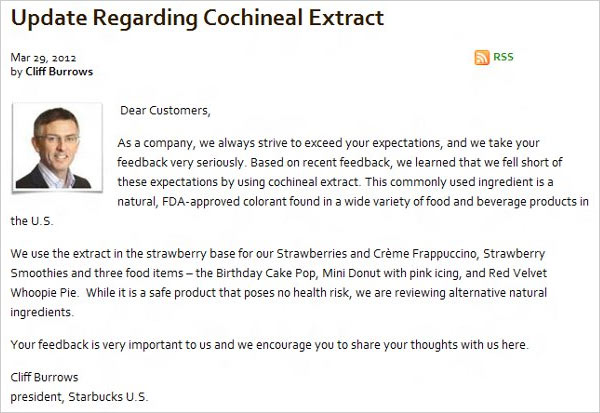
“As I first shared on March 29, we’ve learned that we fell short of your expectations by using natural cochineal extract as a colorant in four food and two beverage offerings in the United States,” said company president Cliff Burrows. “Our commitment to you, our customers, is to serve the highest quality products available. As our customers you expect and deserve better – and we promise to do better.”
And apparently “better” means no more crushed bug coloring in all of the company’s offerings including the now infamous Strawberries & Crème Frappuccino blended beverage and Strawberry Banana Smoothie. Additionally, food offerings that currently utilize cochineal including the Raspberry Swirl Cake, Birthday Cake Pop, Mini Donut with pink icing, and Red Velvet Whoopie Pie will no longer use the coloring.
So what will Starbucks use instead of copious amounts of squished cochineal beetles? The java peddler will transition to a less ewww-inspiring product, Lycopene — a natural, tomato-based extract.
“This transition will occur over time as we finalize revisions and manage production. Our intention is to be fully transitioned from existing product inventories to revised food and beverage offerings near the end of June across the U.S.,” added Burrows.
On behalf of our readers and grossed-out consumers from sea to shining sea, thank you for listening, Starbucks!
Archive: Sign the petition at Change.org.Starbucks: Stop using bugs to color your strawberry flavored drinks Red beet, black carrot, purple sweet potato, and paprika are all-natural alternatives to artificial dyes and safe for those with dietary restrictions. (And those who don’t want crushed bugs in their designer drink.)
Do you have thoughts on Starbucks using beetles for food coloring? Let us know, and thanks for visiting WonkyPie.com!